
Rules explained where they land
EU duties explained for the companies they reach, each with its article and the date it applies, on this site and in the advice we give.
EuFSI is a Dutch foundation in Enschede. It works with small companies on the EU sustainability rules that reach them and the data behind the answers, and with founders on technologies between the lab and the factory. It keeps a record of publicly funded projects.
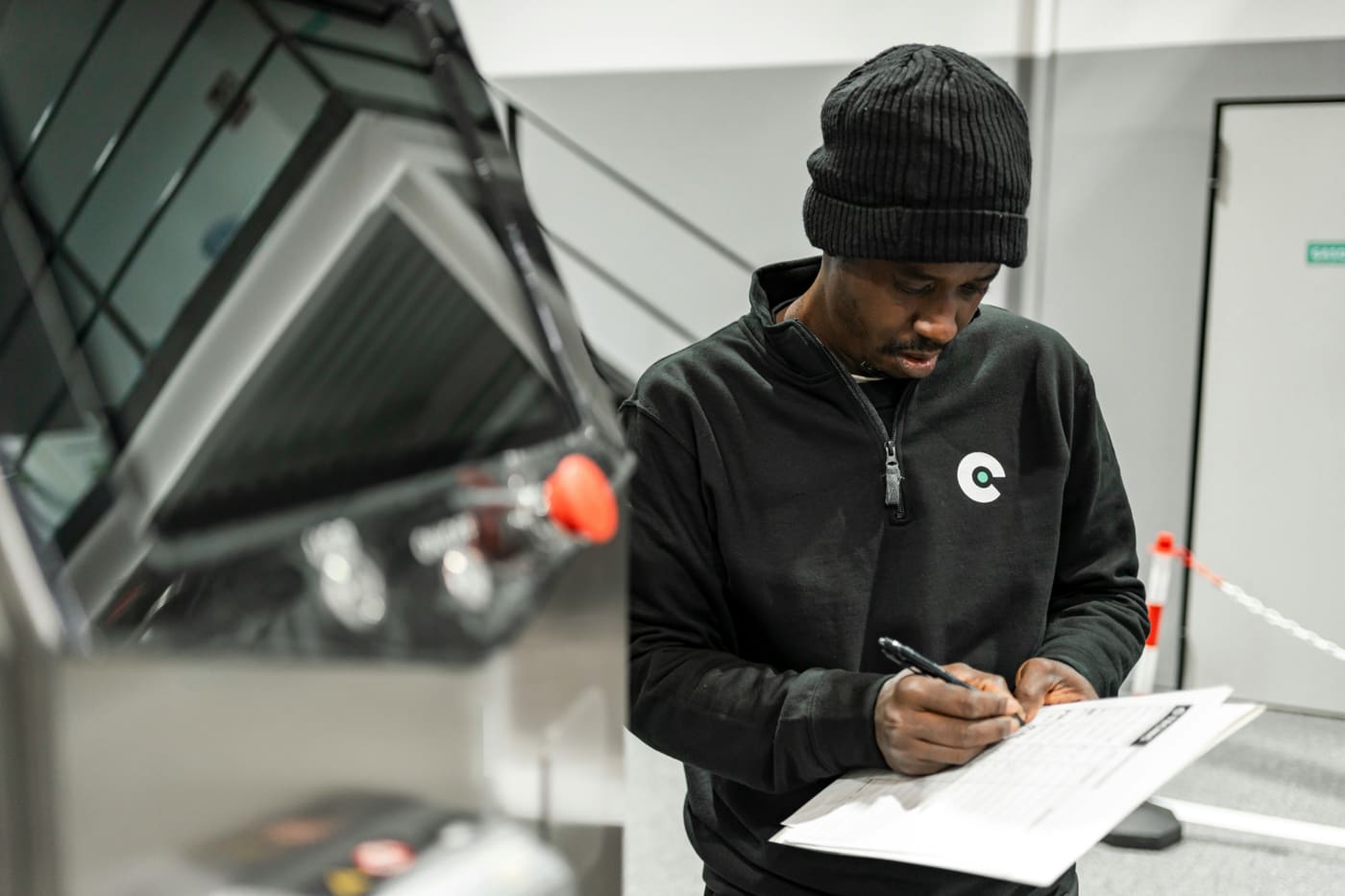
EuFSI was set up by people from research and industry who shared one observation: sound methods for sustainable production often stall between the lab and the factory.
Small companies feel it most. Many of the EU rules and customer questionnaires sent to large firms land on them too, with a fraction of the staff to answer them.
We are not policy makers and we do not certify. Where a result needs independent verification, a verifier or an auditor does it; we prepare the work they check.
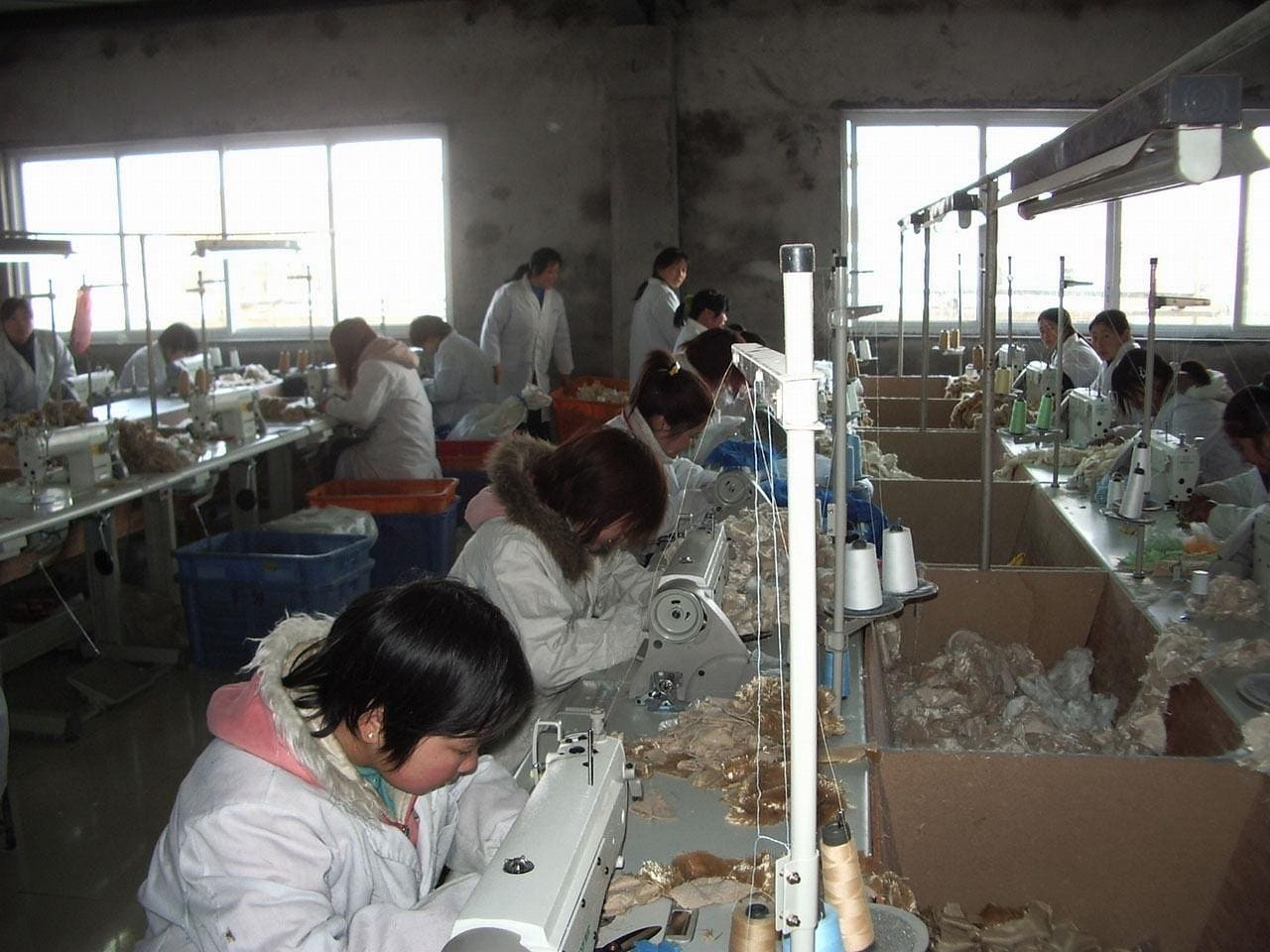
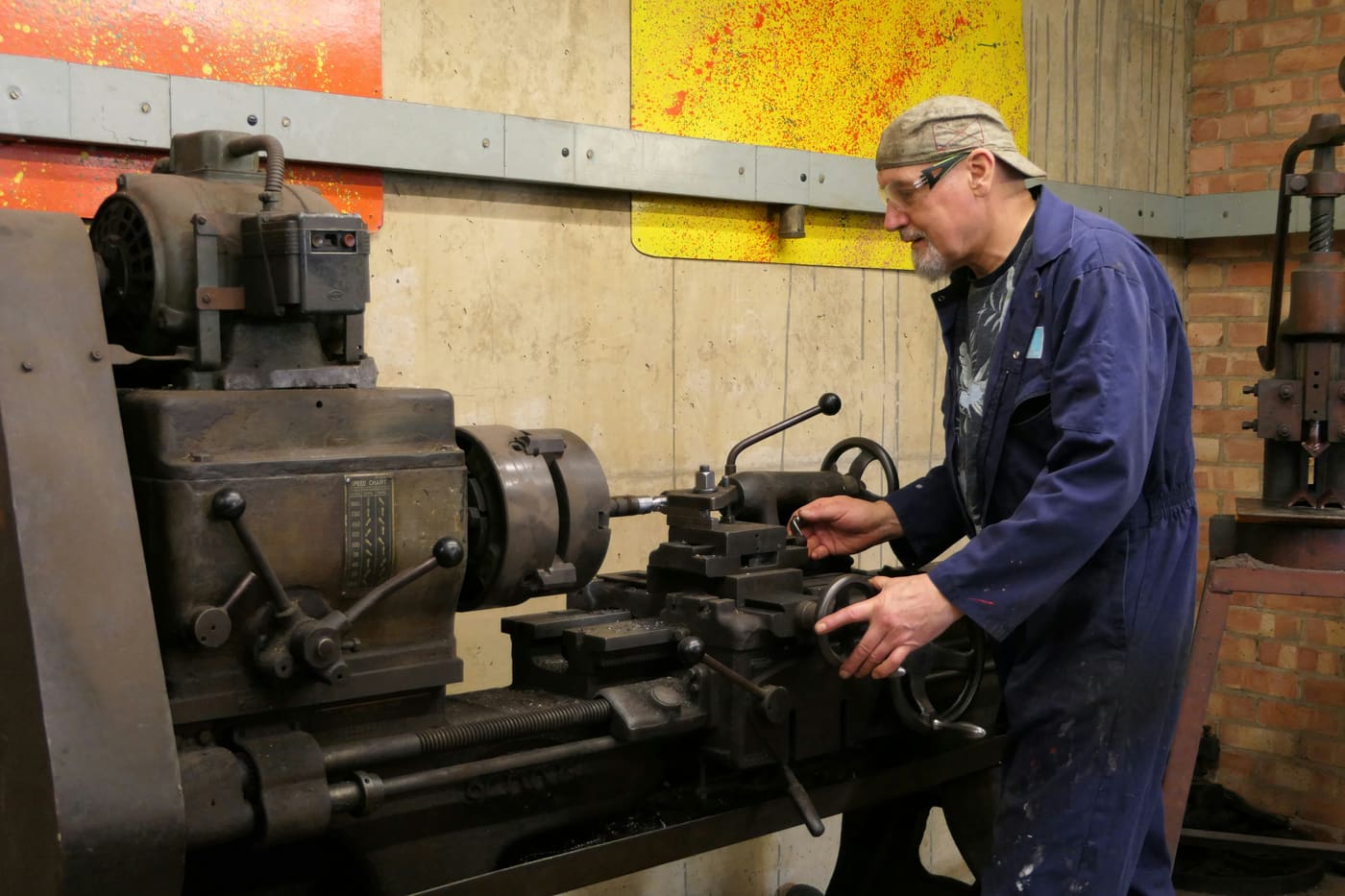
To make Europe’s sustainability goals workable for a company of forty people, from the rules that apply to it and the records they require, to the new methods and public money that help it change.
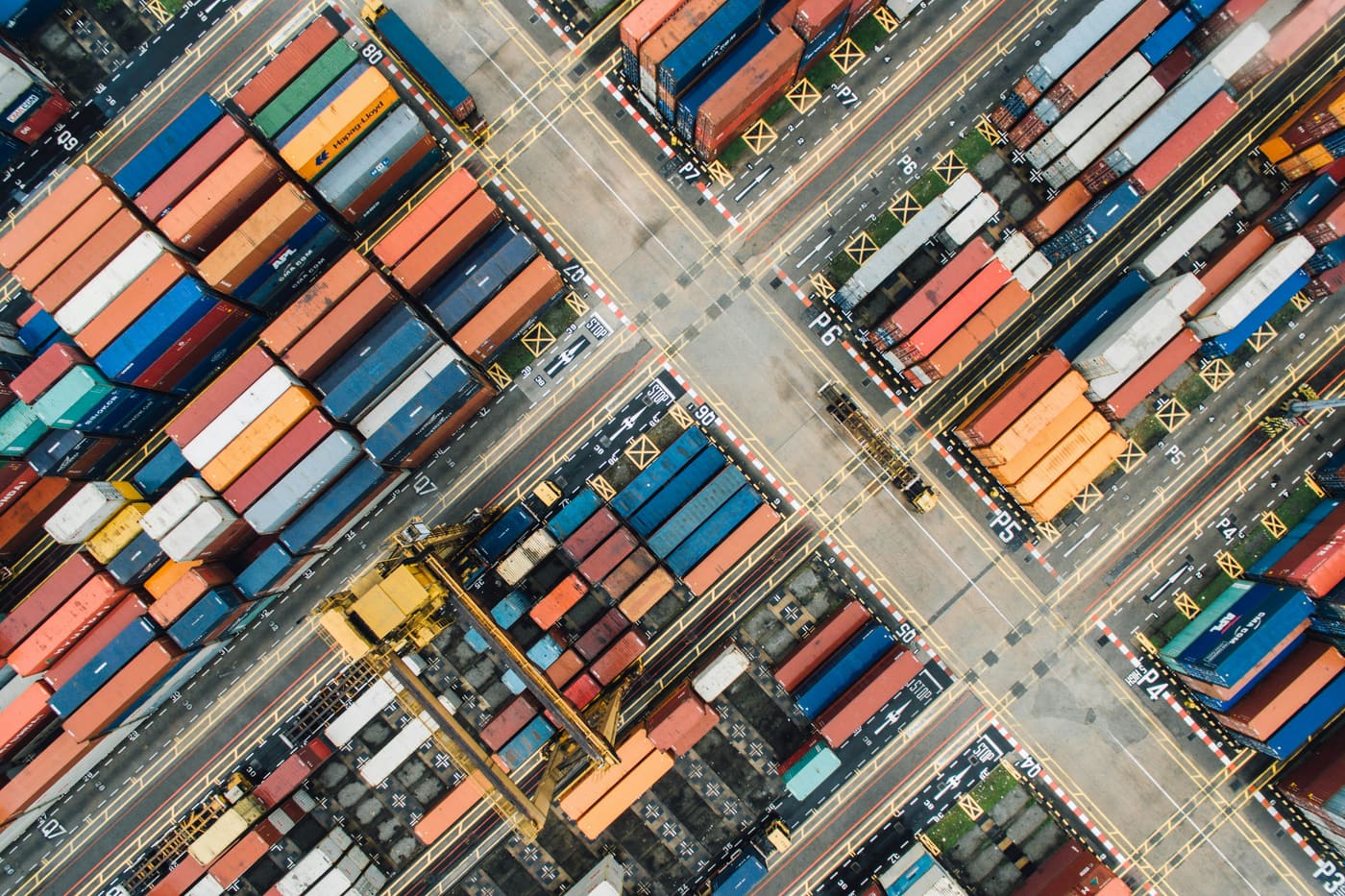
A Europe where a small producer meets the rules without a compliance department, and one way of measuring a product’s impact is accepted in Europe, Asia and the Americas alike.
EuFSI is founded in Enschede as a Dutch foundation (stichting).
Joins DPP4CD, Saxion’s two-year Digital Product Passport project with MUD Jeans, as dissemination partner.
EU duties explained for the companies they reach, each with its article and the date it applies, on this site and in the advice we give.
Which public funding calls fit a founder’s or a small company’s work, and what each call asks for. The funder decides; we do not award money.
A supplier in Asia and a buyer in Europe counting a product’s footprint by the same method, so one figure serves both sides of the trade.
New methods, in any sector, carried through readiness levels 4 to 6, from validation in the lab to a demonstration in industrial conditions.
Five specialists. Three come from material science, sustainability and industrial ventures, and two work on product and supplier data.
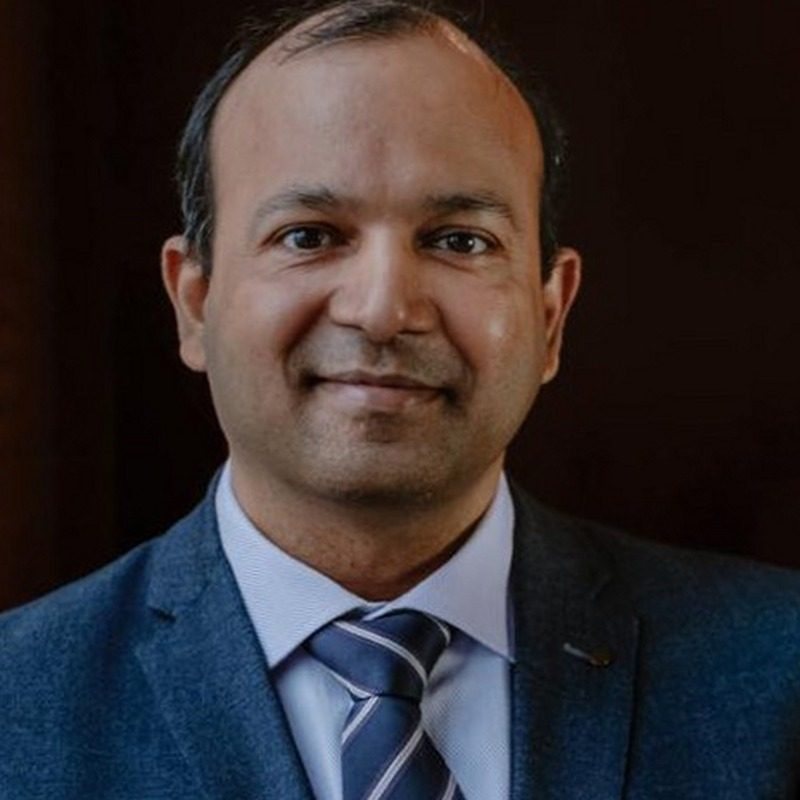
Dr Agrawal is a technologist and entrepreneur with more than 20 years in sustainable innovation, material science and biotechnology. He holds multiple international patents, publishes, and speaks at global forums on sustainability and innovation.
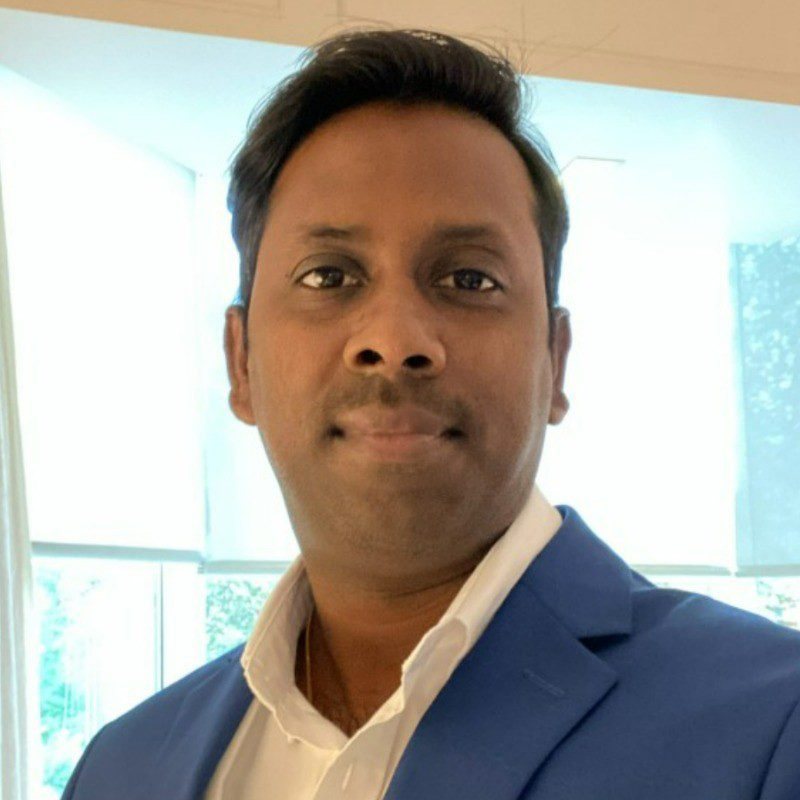
Sreenath has 17 years of industry experience across five countries, building corporate ventures, and launching and scaling startups. His work spans product management, digital transformation and go-to-market strategy, with a focus on sustainable industrial technology.
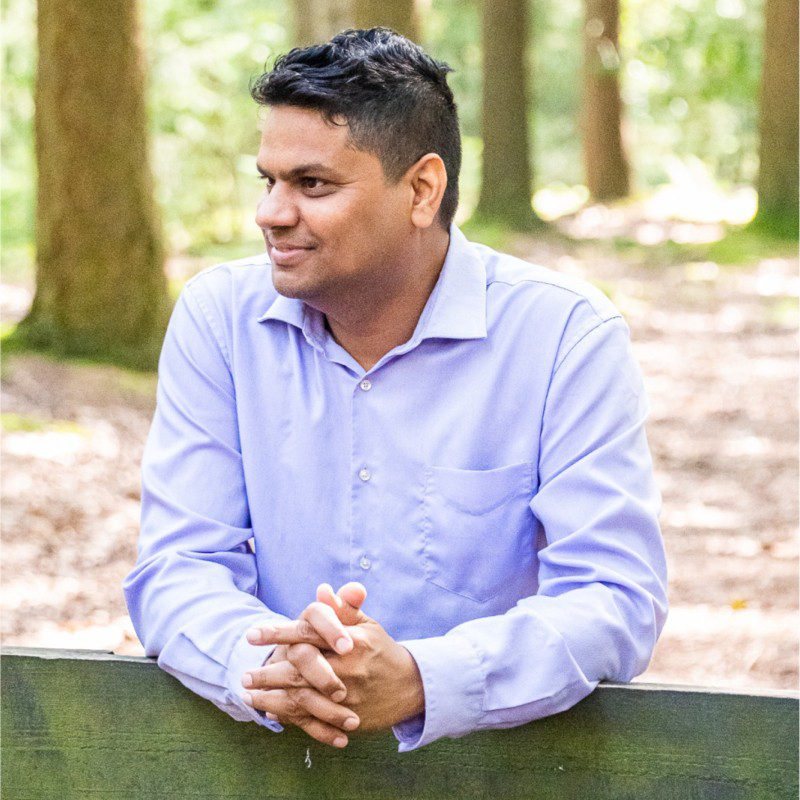
Dr Kumar is a sustainability technologist with a PhD in applied physics from the University of Twente. His expertise covers ESG frameworks, climate change and sustainable practice in textiles, food and nutrition.

Nilesh works on product and supplier data. He sets out what a company needs to collect, in what structure, and how it keeps that data current. He also traces which supplier holds each value that a customer’s request asks for.

Rohan works on how a company runs its product and supplier data itself. That covers the process its own team follows after the handover, and what keeps that data current without outside help. He brings experience in lean manufacturing and strategy from industry to the way that work is set up.
EuFSI is a stichting, a Dutch foundation with no owners and no shareholders, run by its board. It is not an EU institution or agency, and it does not act for the European Commission.
European Frontier for Sustainability and Innovation B.V., at eufsi.com, is a separate company that also uses the short name EuFSI. It prepares life cycle assessments, EPDs, product passports and CBAM reports.
Registered office
Joan Coststraat 25, 7514 AT Enschede, The Netherlands
Enquiries reach the team rather than an individual. Book a call, or write to info@eufsi.com.